




Benar Meriah | detikperistiwa.co.id
The central government’s decision to shut the door on international assistance in responding to the devastating floods and landslides across Sumatra has drawn strong criticism nationwide. Observers warn that the refusal not only risks slowing the recovery process but also heightens the threat of an expanding humanitarian crisis.
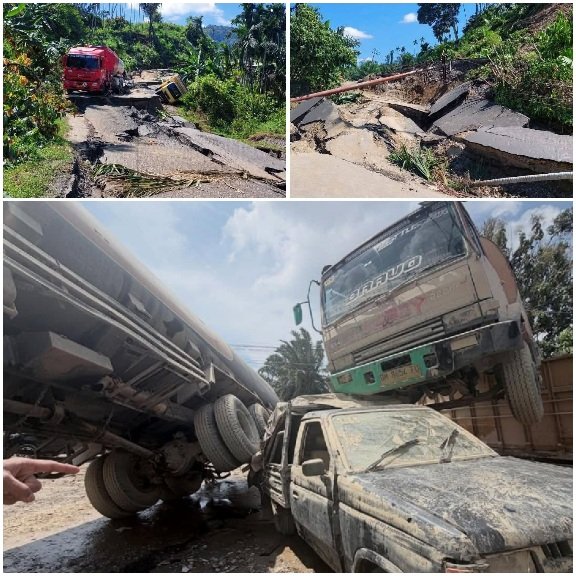
In several affected districts, local authorities have openly admitted they lack the capacity to manage the scale of destruction. Entire villages have been swept away, homes ruined, and vital community links severed as bridges collapse and major roads remain blocked by debris and landslides.
Avianto Amri, Chair of the Indonesian Disaster Management Society, described the government’s stance as a sign of reluctance to acknowledge the true magnitude of the catastrophe. Post-disaster recovery, he emphasised, demands extensive resources, rapid coordination, and support that cannot rely solely on domestic capability. He also warned that thousands of survivors are now exposed to serious health risks, from contaminated water and skin infections to respiratory issues and diarrhoeal diseases. Those dependent on uninterrupted medical treatment—such as patients with diabetes, tuberculosis, hypertension, and HIV—face the danger of losing access to essential medication.
Former Acting Secretary of the Aceh–Nias Rehabilitation and Reconstruction Agency, Teuku Kamaruzzaman, estimates that rebuilding without international support could take two to three decades. According to him, this disaster has not only submerged communities but has also eroded the economic foundations many families depend on. A weak sense of urgency, he added, may leave affected regions even further behind.
On the ground, the reality is stark. A woman from Aceh Tamiang who lost her entire home said she no longer has a place to return to. Fighting back tears, she asked, “What solution does the government offer for people like us?”
Nationally, President Prabowo Subianto has expressed confidence that Indonesia can manage the crisis independently, arguing that the nation must demonstrate its strength by relying on its own capabilities.
However, analysts say this optimism does not reflect the critical conditions unfolding across Sumatra. They warn that national pride must not come at the expense of citizens whose safety depends on swift, well-coordinated assistance.
Arizal Mahdi, Chairperson of Relawan Peduli Rakyat Lintas Batas (Volunteers Caring for the People Without Borders), delivered one of the strongest criticisms. He stated that rejecting international aid is an act of overconfidence that disregards the suffering of ordinary people. This, he stressed, is not a matter of national pride but of saving human lives. “When citizens are struggling simply to survive, shutting out global support only prolongs their misery,” he said.
With unstable weather conditions and extensive damage to crucial infrastructure, experts warn that Sumatra’s recovery will be painfully slow unless the government reconsiders its stance and opens the door to broader international cooperation.
By Arizal M/Red